
Blog
Telehealth usage continues to grow as more individuals look for convenient and accessible healthcare options. While virtual care existed before COVID-19, the pandemic significantly accelerated its adoption as healthcare providers and patients looked for safe ways to access care remotely.
Telehealth visits have continued to increase in recent years, and many patients value the convenience and flexibility that virtual care provides. Telehealth is commonly used for primary care visits, behavioral health support, prescription refills, follow-up appointments, and other non-emergency concerns.
For many people, virtual visits reduce travel time and make it easier to fit appointments into busy schedules. A good example of when telehealth may be useful is for concerns such as conjunctivitis (pink eye), where an individual may receive care quickly without an in-person visit and have medication prescribed if necessary.
Many health plans now include telehealth services as part of their benefits, and virtual care can often be a lower-cost option than urgent care or emergency room visits for non-emergency conditions. CalCPA Health medical members have access to LiveHealth Online for virtual medical and behavioral health visits.
Individuals should check with their healthcare providers to see if telehealth options are available. It can also be helpful to review plan documents to understand how telehealth services are covered under a specific health plan, including costs and eligible services.
Understanding when telehealth is appropriate can help individuals make more informed decisions about where to receive care and may provide a convenient option for accessing healthcare when in-person visits are not necessary.
While telehealth can be helpful for many non-emergency concerns, individuals experiencing severe symptoms or medical emergencies should seek in-person or emergency care when appropriate.
Coverage and telehealth services may vary by plan and provider. Members should review their plan documents and confirm coverage details before receiving services.
One of the most common areas of confusion in healthcare is the difference between preventive and diagnostic care. Many people schedule what they believe is a routine preventive visit, only to later receive a bill they were not expecting.
The difference often comes down to why the service was performed and what was discussed during the visit.
Preventive care is designed to help detect or prevent health issues before symptoms appear. These services may include annual wellness visits, routine screenings, vaccinations, and certain lab tests. When completed in-network, many preventive services are covered at little to no cost under most health plans.
Diagnostic care is different. It occurs when a provider is evaluating a specific symptom, concern, condition, or follow-up issue. Once care becomes diagnostic, out-of-pocket costs such as deductibles, copays, or coinsurance may apply.
For example, an annual wellness visit scheduled as preventive care may be covered in full. However, if additional concerns are addressed during the appointment, such as ongoing headaches, stomach pain, or a new symptom, part of the visit may be billed as diagnostic care.
Similarly, a routine screening mammogram is typically considered preventive care. However, if additional imaging is needed because of a lump, pain, or another concern, those services may be considered diagnostic and billed differently. Even though the tests may seem similar, the reason they are being performed can affect how coverage is applied.
The same can apply to screenings and lab work. A routine screening completed as part of preventive care may be covered differently than a test ordered to investigate a specific medical concern.
This does not mean you should avoid asking questions or discussing your health with your provider. It simply highlights the importance of understanding how services are classified and billed.
Before an appointment, it can be helpful to ask:
- Is this visit considered preventive or diagnostic?
- Will any additional concerns discussed during the visit affect how it is billed?
- Are labs or screenings covered as preventive under my plan?
- Will I have any out-of-pocket costs?
These conversations can help you better understand your coverage and avoid unexpected surprises later.
Understanding how preventive and diagnostic care work is an important part of being an informed healthcare consumer. Health insurance can feel complicated but asking questions and learning how your plan works can help you make more confident decisions about your care.
Preventive care remains one of the best ways to support long-term health and identify potential concerns early. Staying proactive, scheduling routine visits, and understanding your benefits can help you make the most of your health plan throughout the year.
Note: Coverage, billing, and preventive care classifications vary by plan and provider. Members should review their plan documents and confirm coverage details before receiving services.
By Ron Lang, CEO, CalCPA Health (June 2026 issue of CalBroker Magazine)
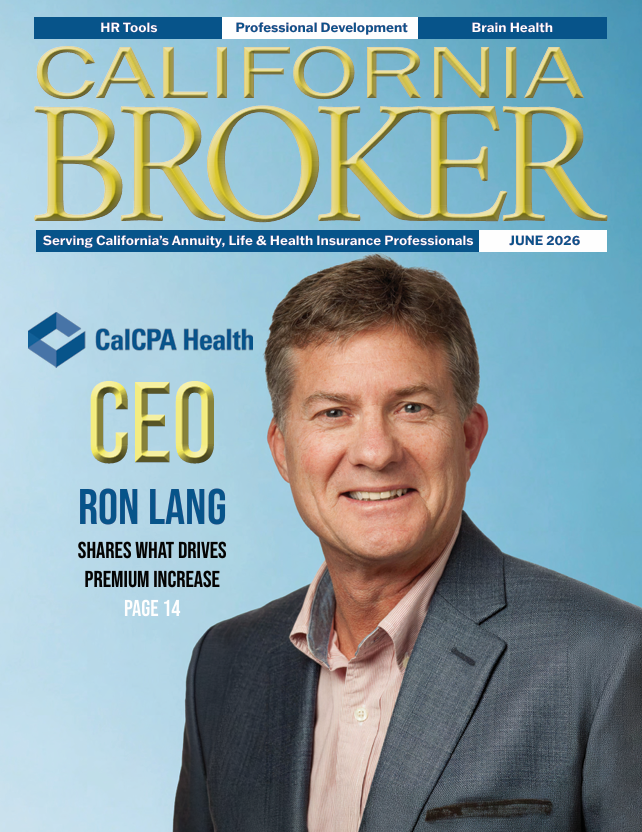 Over the past 18 months, health insurance premiums have risen at levels not seen since the early days of the Affordable Care Act (ACA). For consumers, the conclusion feels obvious: insurance companies must be driving up premiums.
But that conclusion overlooks how the system actually works.
Consumers, and often the media, see only the end result: higher premiums. Meanwhile, hospitals, physicians, and pharmaceutical manufacturers largely escape the same level of scrutiny. Health insurers, for their part, have not always been effective at communicating their role in managing these costs.
The reality is that today’s premium increases are the result of multiple factors converging at once, each pushing the total cost of care higher.
Why Premiums Are Rising Faster Now
High-Cost (“Nuclear”) Claims
Extremely expensive cases are reshaping the total cost curve. Gene therapies can exceed $2 million for a single treatment, and other breakthrough treatments come with million-dollar price tags. These innovations miraculously improve patients’ lives, but their costs ultimately flow through to premiums.
Prescription Drug Spending
Drug costs continue to outpace overall medical inflation. More individuals are taking medications for more conditions, and specialty drugs, particularly in oncology and rare diseases, carry annual costs in the hundreds of thousands of dollars.
GLP-1 medications, used for diabetes and weight management, are a prime example: high utilization combined with high cost is materially impacting trend.
A decade ago, prescription drugs accounted for less than 10% of total healthcare spending. Today, that figure has doubled to around 20%, a shift driven not by traditional inflation, but by the rise of specialty therapies and high-cost chronic treatments. Prescription drugs, while still a minority of total spend, are now one of the fastest-growing components of overall healthcare costs.
While generics and biosimilars continue to provide savings in some categories, those gains are frequently offset by the introduction of newer, higher-cost therapies. GLP-1 utilization is further accelerating this trend.
Increased Utilization Across the Board
People are simply using more healthcare. Rising rates of obesity, diabetes, cardiovascular disease, and autoimmune conditions are driving more physician visits, diagnostic testing, hospitalizations, and prescriptions. When utilization increases, total costs, and therefore premiums, follow.
Wage and Price Pressures in Healthcare
Healthcare is labor-intensive. Hospitals and physician groups are facing sustained wage pressure for nurses, physicians, and skilled technicians. Many provider contracts renew on multi-year cycles, meaning recent inflation is only now being reflected in negotiated reimbursement rates.
The “Regulatory Stack”
New state and federal mandates, while often well-intentioned, add incremental cost. Recent examples in California include expanded IVF coverage requirements and caps on insulin cost-sharing. Each mandate adds to what some refer to as the “regulatory stack,” while each mandate may be a small percentage increase to premiums, together and over time, they add a material amount. Meanwhile, legislation that would actually reduce costs, rarely seems to be enacted.
Why Health Insurance Companies Look the Way They Do
Consumers and employers wanting the lowest possible premiums have shaped what health insurers look like. Many of the features consumers associate with “insurance friction” were originally designed by health insurance companies to control doctor/hospital behavior and costs; and protect patients from unnecessary or overpriced care.
These include:
- Prior authorization and utilization review
- Second surgical opinions
- Provider networks that negotiate discounted rates
- Case management and billing oversight
- Preferred Provider Networks (and HMO’s)
Care delivered outside of PPO/HMO networks typically lacks these cost and safety controls, which is why out-of-network services are often significantly more expensive.
On the pharmacy side, Pharmacy Benefit Managers (PBMs) deploy tools such as formularies, generic substitution, step therapy, and manufacturer rebates to slow the growth of drug spending. These mechanisms are often criticized, but without them, costs would be significantly higher.
Built-In Limits on Insurance Company Profits
It is also important to understand that health insurers operate under explicit profit constraints. Under federal law (ACA), medical loss ratio (MLR) requirements leave a set percentage (15 or 20%) for insurance carrier expenses, including profit. Failure to meet MLR thresholds results in premium rebates, thereby limiting carrier profits. This structure effectively caps margins and ties insurer profitability to overall healthcare spending. When costs rise, premiums must follow, not to increase profits, but to cover claims.
Bottom Line
Health insurers are often the most visible part of the system, but they are not the primary drivers of cost increases. In many ways, they function as financial intermediaries, aggregating and managing the underlying costs generated elsewhere in the healthcare system.
California’s Health Care Affordability Council was chartered to cap premiums and healthcare spending, but to date, has had little measurable effect on overall costs. If the goal is to meaningfully address rising premiums, the focus must be on the drivers of healthcare cost: provider/hospital costs, pharmaceutical pricing, and regulatory design.
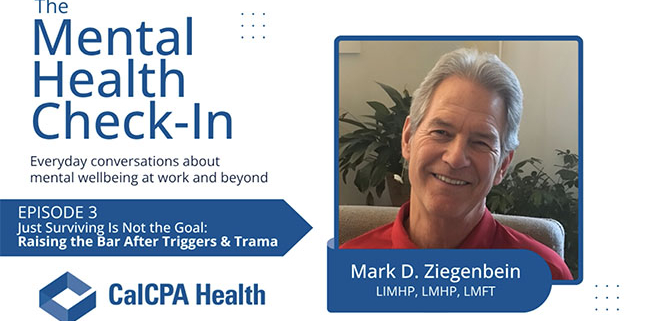
Getting through the day isn’t the goal — learning how to respond to life in a way that supports your wellbeing is. In this episode, we shift from survival mode to building awareness, perspective, and capacity when stress and triggers show up. You’ll hear how to match your response to what’s actually happening, instead of reacting automatically, and why preparation and support matter more than perfection. It’s about becoming more skillful, not doing it alone, and raising the bar for how we care for ourselves.
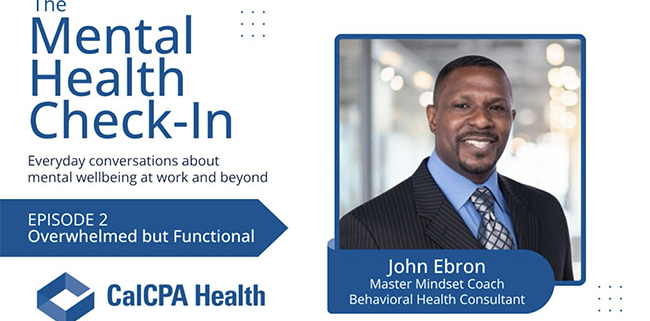
Many people continue to meet responsibilities at work and home while quietly carrying an overwhelming mental load. This episode explores the difference between trauma and system overload, helping listeners understand why feeling “overwhelmed but functional” is so common today. We discuss how stress often shows up physically before emotionally and why pushing through can sometimes make things worse. The episode also introduces practical strategies to help regulate the nervous system and restore balance during periods of overload.
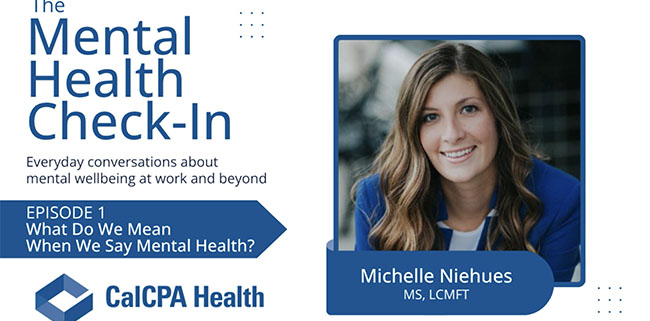
Mental health doesn’t only appear in moments of crisis—it shows up in everyday experiences, interactions, and challenges. In this episode, we explore what mental health really means and why it’s a normal part of being human. The conversation focuses on how thoughts, emotions, and behaviors influence our daily functioning and relationships. By reframing mental health as something we all experience, this episode encourages more open and supportive conversations in the workplace and beyond.
Heart disease is the leading cause of death in the United States, yet many people don’t fully understand the risks or warning signs. According to the Centers for Disease Control and Prevention, it accounts for about 1 in every 5 deaths each year. Understanding the risks and taking preventive steps can go a long way toward protecting your long-term health.
What Is Heart Disease?
Heart disease refers to a range of conditions that affect how well your heart pumps blood throughout your body. In many cases, symptoms are not obvious until a more serious issue develops, which is why it can go unnoticed for years.
When symptoms do appear, they may include chest pain or discomfort, shortness of breath, or an irregular heartbeat. Some people experience pressure or tightness in the chest, neck, jaw, or back, while others may feel nausea or even vomiting. If you experience any of these symptoms, it is important to seek medical attention as soon as possible.
Why It Matters
Heart disease does not just affect a small portion of the population. It is widespread. In fact, nearly half of U.S. adults have some form of cardiovascular disease, according to the American Heart Association.
If left untreated, heart disease can lead to serious and life-threatening conditions such as a heart attack, stroke, cardiac arrest, or heart failure. These conditions often develop over time and may not present clear warning signs until they become severe, which is why early awareness is so important.
Steps You Can Take to Reduce Your Risk
Many heart-related conditions are preventable through everyday lifestyle choices. Maintaining a healthy weight, eating a balanced diet with fruits, vegetables, whole grains, and lean proteins, and limiting foods high in sodium, added sugars, and saturated fats can all support heart health.
Regular physical activity, about 150 minutes per week, can also play a significant role, along with avoiding smoking and finding healthy ways to manage stress. In addition, keeping your blood pressure, cholesterol, and blood sugar within recommended ranges can help reduce your overall risk. Guidance from the CDC’s heart disease prevention resources reinforces the importance of these habits.
A simple reminder: You do not need to wait for a health scare to start paying attention to your heart. Preventive care, regular checkups, and understanding your risk factors can go a long way in protecting your long-term well-being.
If something does not feel right, don’t ignore it. Early action can make all the difference.
Sources:
We are a few months into the year, which makes this a good time to pause and take a closer look at how you are using your health plan.
Whether you selected new coverage this year or have been on the same plan for a while, this is often when expectations meet reality. You may have filled a prescription, visited a provider, received a bill, or you may not have used your plan at all.
Wherever you are, now is a good time to check in.
Are you actively using your benefits, or are you only thinking about your plan when something comes up? Health insurance is often treated as something you deal with when you need care, but it is meant to be used throughout the year.
Some questions to ask yourself:
- Have you scheduled your annual wellness visit?
- Are you using in-network providers?
- Do you know what your copay is and whether you have coinsurance? Do you understand the difference between the two?
- Do you know how much of your deductible you have met?
- Do you understand what services are considered preventive care?
- Do you know where to go depending on the situation, such as telehealth, urgent care, or the emergency room?
If any of these are unclear, you are not alone. Many people do not fully understand their coverage until they need to use it.
One area that is often overlooked is preventive care. Routine exams, screenings, and labs are often covered at little to no cost when done in-network. Taking care of these early can help you stay ahead of potential health issues.
If you have already used your plan this year, your claims can give you a clearer picture of how your costs work. This includes how your deductible applies and what your copays look like.
Small decisions can affect your costs. Where you go for care, whether a provider is in-network, and whether you ask questions ahead of time can all impact what you pay. Before your visit, consider asking about expected costs, whether prior authorization is required, and whether the service will be considered preventive or diagnostic. Writing your questions down in advance can help you feel more prepared and confident in your decisions.
If you have not spent much time thinking about your health plan yet, that is okay. There is still plenty of time to make the most of it.
Start by taking a look at your plan details, such as your Summary of Benefits or plan documents, so you understand what is covered and how your costs are structured. It can also be helpful to check your progress by seeing how much of your deductible you have met and where you stand in relation to your out-of-pocket maximum.
Scheduling preventive care is one of the easiest ways to use your benefits and stay on top of your health. If you expect to need services later this year, take time to plan ahead by confirming providers and facilities in advance, making sure they are in-network, and understanding what your costs may be.
Your health plan is something you can use to support your health and make more informed decisions about care. Taking a few minutes now to understand how your plan is working can help you avoid surprises and feel more confident in your choices throughout the year.
Helping Lower Your Pharmacy Costs — Automatically
CalCPA Health PPO and HSA medical plan enrollees now benefit from built-in GoodRx prescription pricing (when available) as part of their pharmacy coverage through Express Scripts Rx.
There’s nothing you need to do. No coupons. No discount cards. No separate enrollment.
When you present your CalCPA Health plan ID at the pharmacy, your prescription is automatically processed through your benefit. If the GoodRx price is lower than your plan’s already negotiated cost, you will automatically receive the lower GoodRx price.
What This Means for You
Lowest Available Price on Eligible Generic Medications
Eligible generic medications (excluding specialty generics) are automatically compared to GoodRx pricing to ensure you receive the lowest available price.
Effortless Member Experience
No need to search for GoodRx coupons or present a discount card. The comparison happens automatically through your CalCPA Health benefit.
Supports Medication Adherence
You receive discounted medications without delay, helping you stay on track with your prescribed treatments.
Claims Count Toward Your Plan
Unlike stand-alone discount programs, prescriptions processed through this partnership apply toward your deductible and out-of-pocket maximum.
This program ensures you receive competitive pricing while maintaining the protections and accumulators of your CalCPA Health pharmacy benefit.
Reminder: Mail Order Savings
For many maintenance medications, the Express Scripts mail-order pharmacy offers lower copays and overall drug costs. Be sure to compare your options for additional savings.
Questions? If you have questions about your pharmacy coverage:
- Log in to your Express Scripts member portal
- Log in to Anthem’s member portal if you have CarelonRx for your pharmacy benefits
- Or contact Banyan Administrators, Managers of the CalCPA Health program, for assistance.
CalCPA Health remains committed to helping members access care affordably and confidently.
The holidays are supposed to be about celebration and connection, and some rest (hopefully). But the month of December often feels more like a marathon to get places and check off your never-ending “to-do” list. Between work deadlines, family obligations, travel, and a social calendar that somehow fills itself, the whole season can start to feel overwhelming instead of joyful.
If you’re trying to balance your job, personal life, and a budget that’s getting stretched thin, you’re not alone. A few simple habits can help you get through the season without burning out.
Aim for some balance when it comes to eating and your health. One of the biggest traps this time of year is thinking you need to be super disciplined about health. Small tweaks matter more than you’d think. Grab a protein-rich snack before heading to the party because it will help keep your energy steady and help you avoid overindulging at the party! Drink more water than you think you need, especially if you’re traveling or celebrating. And after a big meal, even a quick 10-minute walk can help your digestion and lift your mood.
Don’t sacrifice sleep. Late nights and early mornings are basically the norm in December. Sleep is one of your best defenses against stress, brain fog, and getting sick. Try to keep your sleep schedule consistent and give yourself a wind-down routine – do some stretching, journal for a few minutes, or put your phone away earlier than usual.
Build in breathing room. Between the gatherings and the pressure to make everything perfect, stress can pile up fast. Taking five minutes to step outside, taking some deep breaths, or sitting quietly can reset your nervous system and support your overall well-being. Mindfulness doesn’t have to be complicated. Sometimes it’s just noticing your breath or feeling your feet on the ground.
Move your body. Exercise in December doesn’t need to be a formal workout. Take a walk around the neighborhood to check out the holiday lights. Stretch between work calls. Choose to take the stairs. These little moments of movement do help—they keep your energy up, lower stress, and improve your sleep and mood.
It’s fine to scale back. There tends to be the expectation that you’re supposed to do it all – attend every event, uphold every tradition, make everyone happy. Remember – it’s okay to say no, to skip things, to protect some time for yourself. The parts of the season that matter most are the ones you have the energy to enjoy.
The holiday season doesn’t have to overwhelm you. With a bit of intention and some realistic expectations, you can end the year feeling good about being grounded, present, and ready for whatever comes next.